Istanbul / United Kingdom
Turkish Marble Types
Turkish Marble Types


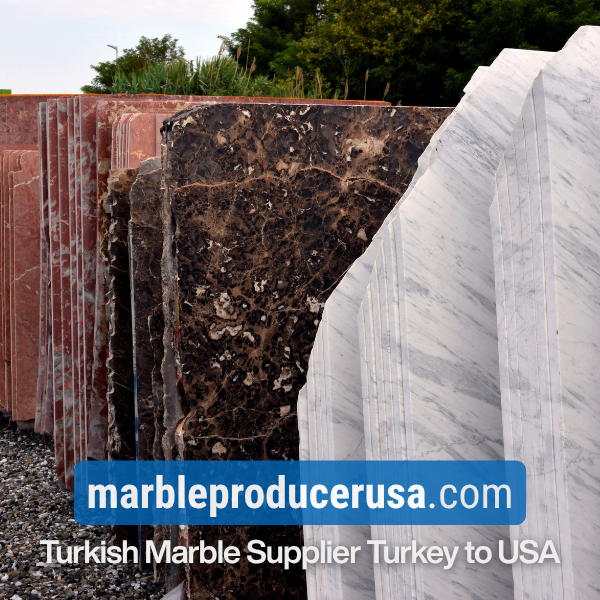
Turkish Marble Types offer one of the richest natural stone selections in the world, combining geological diversity, elegant surface character, and long-lasting architectural performance. Turkiye has a powerful position in the global marble industry because its quarries produce a wide range of colors, textures, patterns, and structural qualities suitable for both classic and modern design. From bright white stones to warm beige surfaces, from soft grey tones to dramatic dark marbles, Turkish marble continues to be preferred in luxury homes, hotels, commercial buildings, offices, restaurants, and large-scale architectural projects.
The value of Turkish Marble Types comes from their natural variety. Every region in Turkiye has its own geological identity, and this creates marble selections with different appearances and technical features. Some stones are calm and minimal, while others are bold and highly decorative. This variety gives architects, designers, contractors, and importers the freedom to choose the right marble for each project concept. A luxury bathroom may require a clean white marble, while a hotel lobby may need a warm beige or dramatic veined surface. This flexibility is one of the main reasons Turkish marble has become a serious player in international natural stone markets.
White marble is one of the most demanded groups among Turkish marble varieties. These stones are known for their bright appearance, soft veining, and timeless elegance. White marble is often used in luxury villas, modern apartments, hotel bathrooms, spa areas, wall cladding, and decorative interior surfaces. Its clean background helps spaces feel larger, brighter, and more refined. Designers often prefer white Turkish marble when they want a premium atmosphere without making the design visually heavy.
Beige marble is another important category within Turkish Marble Types. Beige tones create warmth, harmony, and natural balance in architectural spaces. This type of marble is especially popular for flooring, hotel lobbies, shopping centers, public buildings, and residential interiors. Beige marble has a calm character, which makes it easy to combine with wood, metal, glass, and modern lighting. For large projects, beige Turkish marble is often preferred because it provides visual continuity and a welcoming atmosphere.
Grey marble varieties from Turkiye have become highly popular in contemporary architecture. Soft grey surfaces match modern design trends very well because they offer elegance without excessive decoration. Grey natural stone can be used in offices, luxury residences, restaurants, bathrooms, kitchens, and commercial interiors. It works beautifully with black metal details, natural wood textures, minimalist furniture, and indirect lighting. This makes grey Turkish marble a strong option for projects that require a modern, calm, and sophisticated look.
Dark marble types are preferred when a project needs strong visual impact. Black, charcoal, deep grey, and dramatically veined Turkish marble varieties create bold architectural statements. These stones are commonly used for feature walls, reception desks, fireplaces, luxury bathrooms, bar counters, restaurant interiors, and boutique hotel spaces. Dark marble brings depth, contrast, and prestige into a space. Used correctly, it can turn a simple wall or floor into the visual center of the entire design.
Green marble has also gained attention in recent years because modern interiors increasingly focus on nature-inspired materials. Green Turkish marble creates a rich, organic, and calming atmosphere. It is often used in wellness centers, spa areas, bathrooms, decorative walls, luxury retail spaces, and high-end residential projects. Its natural tones connect interiors with the feeling of earth, plants, and calm movement. This makes green marble a strong choice for projects that want luxury without coldness.
The technical strength of Turkish Marble Types is as important as their appearance. Marble from Turkiye can be processed into slabs, tiles, blocks, stairs, countertops, vanity tops, wall panels, mosaics, and custom cut-to-size products. Modern factories use advanced cutting machines, polishing lines, calibration systems, and quality control processes to prepare marble for international standards. This production capacity allows Turkish suppliers to support both small boutique projects and large commercial developments.
Surface finish is another key factor when choosing Turkish marble. A polished finish creates a glossy and luxurious look by increasing color depth and light reflection. It is often preferred in hotels, villas, reception areas, bathrooms, and decorative walls. A honed finish gives the marble a softer matte surface, making it suitable for modern and minimalist interiors. Brushed or textured finishes provide a more natural appearance and can be preferred in areas where a less reflective surface is desired. The same marble can look completely different depending on the selected finish, so surface treatment should always be chosen according to the design goal and usage area.
One major advantage of Turkish marble is its ability to work across many architectural styles. In classical interiors, marble adds richness, tradition, and prestige. In modern spaces, it creates clean lines, natural texture, and quiet elegance. In Mediterranean-inspired projects, beige and cream tones bring warmth. In luxury contemporary interiors, grey and dark stones create a refined and dramatic identity. This wide design range makes Turkish Marble Types suitable for almost every project category.
Hotels and hospitality projects often prefer Turkish marble because the material offers both beauty and durability. Hotel lobbies, corridors, bathrooms, spa sections, restaurants, and reception areas need surfaces that can handle heavy use while maintaining a premium appearance. Marble gives these areas a natural sense of luxury. A well-selected marble floor or wall can define the entire character of a hotel interior. This is why many hospitality designers use Turkish marble as a long-term investment rather than a simple decorative material.
Residential projects also benefit greatly from Turkish marble varieties. In luxury homes, marble is used for kitchen islands, bathroom walls, living room floors, staircases, fireplaces, and entrance halls. It brings natural elegance into daily living spaces. Unlike artificial surfaces, marble has depth and movement that cannot be repeated exactly. Each slab has its own personality, and this uniqueness gives interiors a more exclusive feeling.
Commercial buildings use Turkish marble for a different reason: it creates trust, quality, and permanence. Offices, showrooms, retail stores, banks, restaurants, and business centers often need interiors that communicate professionalism. Marble helps create that impression immediately. A marble reception desk, a polished floor, or a decorative wall surface can make a commercial space feel more serious, established, and premium.
For international buyers, reliable supply is a major concern. Turkish Marble Types are supported by a strong export infrastructure. Turkiye has experienced quarry operators, production facilities, packaging teams, logistics networks, and export professionals who understand the expectations of global markets. Marble products are generally packed in reinforced wooden crates, protected carefully, and prepared for container shipment. This export experience is especially important for buyers in the United States, Europe, the Middle East, and other international regions.
The United States market continues to show strong demand for Turkish marble because American architecture often values natural materials with clean finishes and long-term durability. White, beige, grey, and dramatic marble varieties from Turkiye are widely used in luxury homes, hotels, commercial interiors, and custom design projects. For U.S. importers and contractors, Turkish marble offers a strong balance between visual quality, production capacity, and material variety.
Sustainability is becoming more important in material selection, and natural marble has a strong advantage because it is durable and long-lasting. A marble surface can remain in use for decades when properly selected, installed, and maintained. This reduces the need for frequent replacement. Since natural stone does not depend on short-lived design trends, it supports timeless architecture. Turkish marble, with its wide variety and strong production standards, offers a long-term material solution for sustainable design strategies.
Choosing the right marble type requires more than selecting a color. Designers and buyers should consider the usage area, traffic level, surface finish, slab consistency, thickness, maintenance expectations, and project style. A bathroom may need a different finish than a hotel lobby. A kitchen countertop may require different performance expectations than a decorative wall. This is why working with experienced suppliers is important when selecting Turkish marble for professional projects.
Another important point is slab selection. Natural marble is not a printed surface, so every slab may have slight differences in color, vein direction, and pattern density. These differences are not defects; they are part of the natural beauty of marble. However, for large projects, slab matching and batch control are important. Professional marble suppliers help clients select consistent materials and plan installation areas properly.
Turkish Marble Types also provide excellent decorative potential. Bookmatched slabs, large-format wall panels, custom cut designs, stair applications, and luxury bathroom concepts can create powerful visual results. In high-end interiors, marble is no longer used only as flooring. It is used as art, as atmosphere, and as the silent signature of the space.
Today, Turkish marble continues to grow in global importance because it offers variety, elegance, production strength, and architectural flexibility. Whether the project requires a calm white marble, a warm beige tone, a modern grey surface, a dramatic dark stone, or a nature-inspired green marble, Turkiye provides a rich selection for different design needs.
Turkish Marble Types remain an excellent choice for architects, designers, contractors, importers, and developers who want natural stone with beauty, durability, and international project value. With their wide color range, timeless character, and strong production background, Turkish marble varieties continue to define elegant architectural spaces across global markets.